How to compare plumbing product specifications before ordering
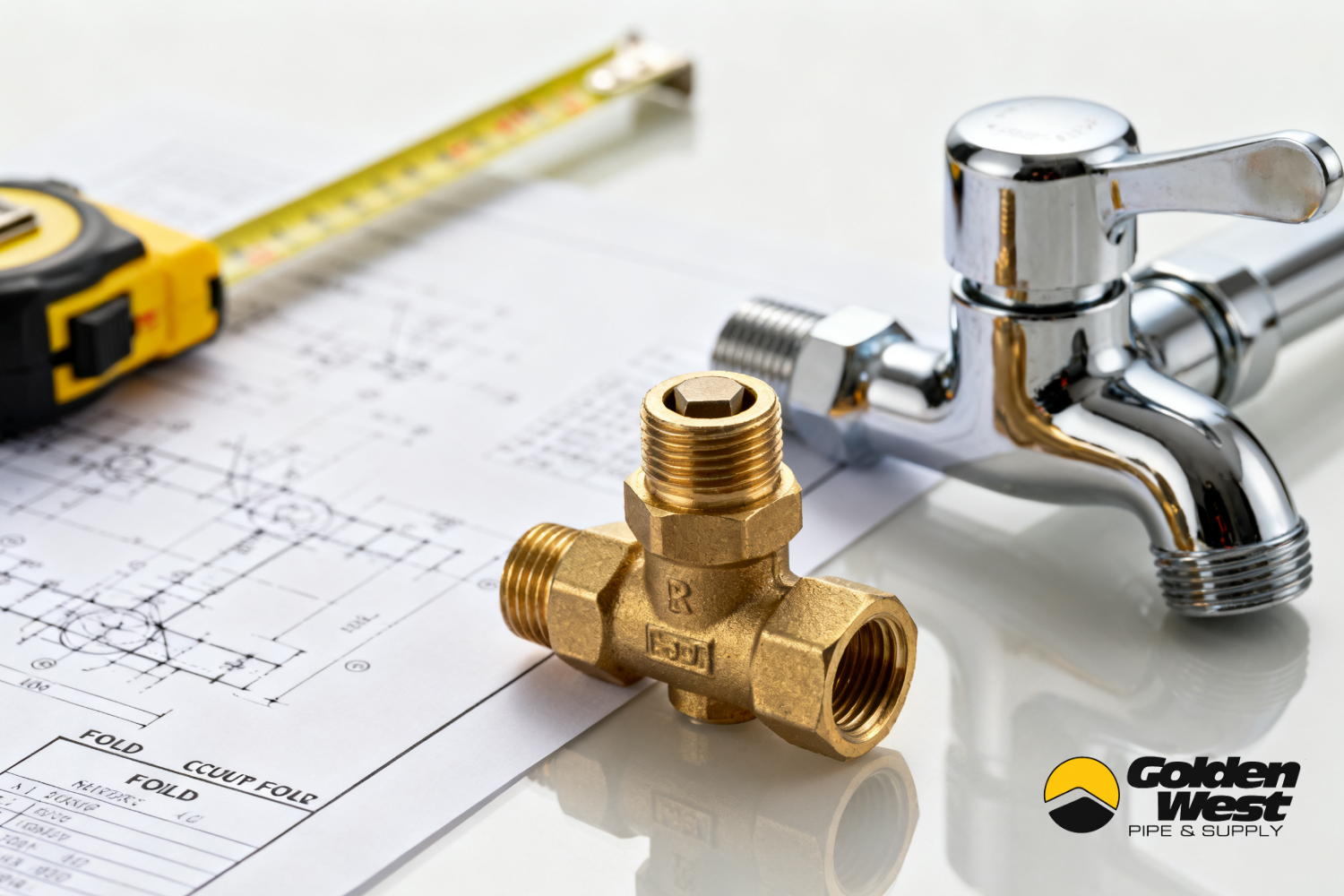
Before ordering, contractors should compare a product's fixture dimensions, connection type, materials and finish, performance ratings, installation requirements, and manufacturer documentation against the project specifications and field measurements. They should also verify compatibility with existing plumbing systems, applicable code requirements, available installation space, and any necessary accessories or fittings. Taking time to review these details helps prevent ordering errors, reduce installation delays, avoid costly returns or replacements, and ensure the selected products meet the project's functional and quality expectations.
Key Specifications To Compare Before Ordering Plumbing Products
When you compare plumbing product specifications, focus on the attributes that affect fit, function, code compliance and long-term serviceability. For plumbing fixtures, parts, valves and fittings this typically means checking dimensions and rough‑in, inlet/outlet connection types, material and finish, pressure/temperature ratings and any listed approvals or certifications the manufacturer documents. Always cross‑check those items against the project specifications and the manufacturer documentation for the exact model number.
Fixture Dimensions And Rough‑In
Verify overall size, mounting hole locations, and rough‑in distances shown on the manufacturer's cut sheet. Similar‑looking fixtures can have different offsets or clearances that affect cabinetry, trap arms, and finish carpentry. Take field measurements at the install location and confirm the manufacturer's dimensions match before ordering.
Connection Type And Sizes
Confirm inlet and outlet connection types (threaded, sweat, push‑fit, compression, flanged, etc.) and the nominal connection sizes listed by the manufacturer. Connection style differences are a common cause of on‑site incompatibility; do not assume two products are compatible unless the manufacturer explicitly states so in their documentation.
Materials, Finish, And Corrosion Resistance
Compare base materials (brass, stainless steel, plastic compounds) and the applied finish. Material and finish affect suitability for the application, expected life in the service environment, and compatibility with other metals in the system.
Performance Ratings And Operating Limits
Review the manufacturer's published pressure and temperature ratings and any flow characteristics or Cv values provided. Confirm these align with system conditions and project requirements. If a project calls for certain ratings or backflow protection, ensure the model's documentation shows compliance.
Installation Requirements And Accessory Items
Check the installation section for required clearances, mounting hardware, rough‑in kits, escutcheons, and trim. Some valves or fixtures require model‑specific rough‑in kits or adapters that must be ordered separately.
Manufacturer Documentation And Model Numbers
Always compare the exact model number, part number and revision/version on the manufacturer's cut sheet, specification sheet, and installation manual. Manufacturer documentation is the authoritative source for allowable substitutions, compatible accessories, and field adjustments.
Codes, Approvals And Specified Testing
Confirm any code listings, certifications or compliance claims the project requires are shown in the manufacturer's documentation for the specific model. Do not assume a product meets a code requirement unless it is explicitly documented by the manufacturer.
Practical Evaluation Steps For Procurement Teams And Estimators
Gather the project's technical specifications and any applicable code or owner requirements.
Collect manufacturer cut sheets, installation manuals and O&M pages for each candidate model.
Compare physical dimensions and connection details side‑by‑side, not just photos.
Verify required accessories, trim kits, rough‑in valves or adapters are included or must be ordered separately.
Confirm performance ratings align with system design (pressure, temperature, flow characteristics).
Document the model and part numbers on the purchase order; include links or copies of the manufacturer documentation when issuing RFQs to suppliers.
Product Specification Comparison Checklist
Confirm exact manufacturer and model/part number.
Match mounting and rough‑in dimensions to field measurements and shop drawings.
Verify inlet/outlet connection type and nominal size are compatible with existing or planned piping.
Check material and finish for suitability in the service environment.
Review manufacturer's pressure, temperature and flow ratings against system conditions.
Ensure required approvals or listings for the project or jurisdiction are shown in documentation.
Identify required accessories, spare parts, and installation kits; add to the order if not included.
Confirm lead times and availability with the supplier before finalizing purchase.
Attach manufacturer cut sheets and installation instructions to the purchase order.
Plan for an on‑site verification step during installation to catch any unforeseen fit issues.
Common Pitfalls And How To Avoid Them
Assuming visual similarity equals compatibility — always verify model specifications and connection details.
Ordering without cross‑checking installation clearances or required trim/rough‑in kits.
Failing to confirm approvals or ratings required by the project or local codes.
Not including manufacturer documentation with the PO — this complicates returns and replacements.
How Golden West Pipe & Supply Can Help
Golden West Pipe & Supply provides product sourcing and guidance for plumbing fixtures, parts, valves and fittings. For Southern California and national projects, procurement teams can contact Golden West for help identifying documentation requirements and verifying model information before ordering. Technical requirements should always be confirmed using the manufacturer's documentation and the project specifications.
For a quick product review during planning, reference available Plumbing products or learn about Golden West's focus on Contractor plumbing supplies to understand the types of inventory and support the company provides.
Frequently Asked Questions
Which Specifications Matter Most When Choosing Between Similar Fixtures?
Dimensions (including rough‑in), connection type, material/finish, and the manufacturer's performance ratings and installation requirements are usually the most critical. Confirm these against the project specs and field conditions.
Can I Assume Two Products Are Interchangeable If They Look Alike?
No. Appearance alone does not guarantee compatibility. Only manufacturer documentation that lists interchangeability or matching model numbers can support a substitution.
Where Do I Find Authoritative Information On A Model's Specifications?
The manufacturer's cut sheet, specification sheet and installation manual for the exact model number are the authoritative sources. Use those documents to verify ratings, dimensions, connections and required accessories.
What Should I Prepare Before Contacting A Supplier For Help?
Have the project specifications, field measurements, the exact manufacturer and model numbers (or photos), and any relevant code requirements available. This lets a supplier or sourcing partner identify necessary details quickly.
Need Help Finding the Right Part?
Finding the correct plumbing component can be challenging when product details, model numbers, or specifications are incomplete. If you have a manufacturer name, model number, part number, product description, or photos available, Golden West Pipe & Supply can help identify the information and documentation needed to confirm a suitable match. Providing these details, along with measurements and application requirements, makes it easier to narrow down compatible options, verify product specifications, and assist with product sourcing. Whether you are replacing an existing component or selecting materials for a new installation, check product availability with Golden West Pipe & Supply to get assistance with your sourcing needs and help prevent delays or unnecessary replacements.